





Calamariere: A Journey Through Flavorful Mediterranean Delights
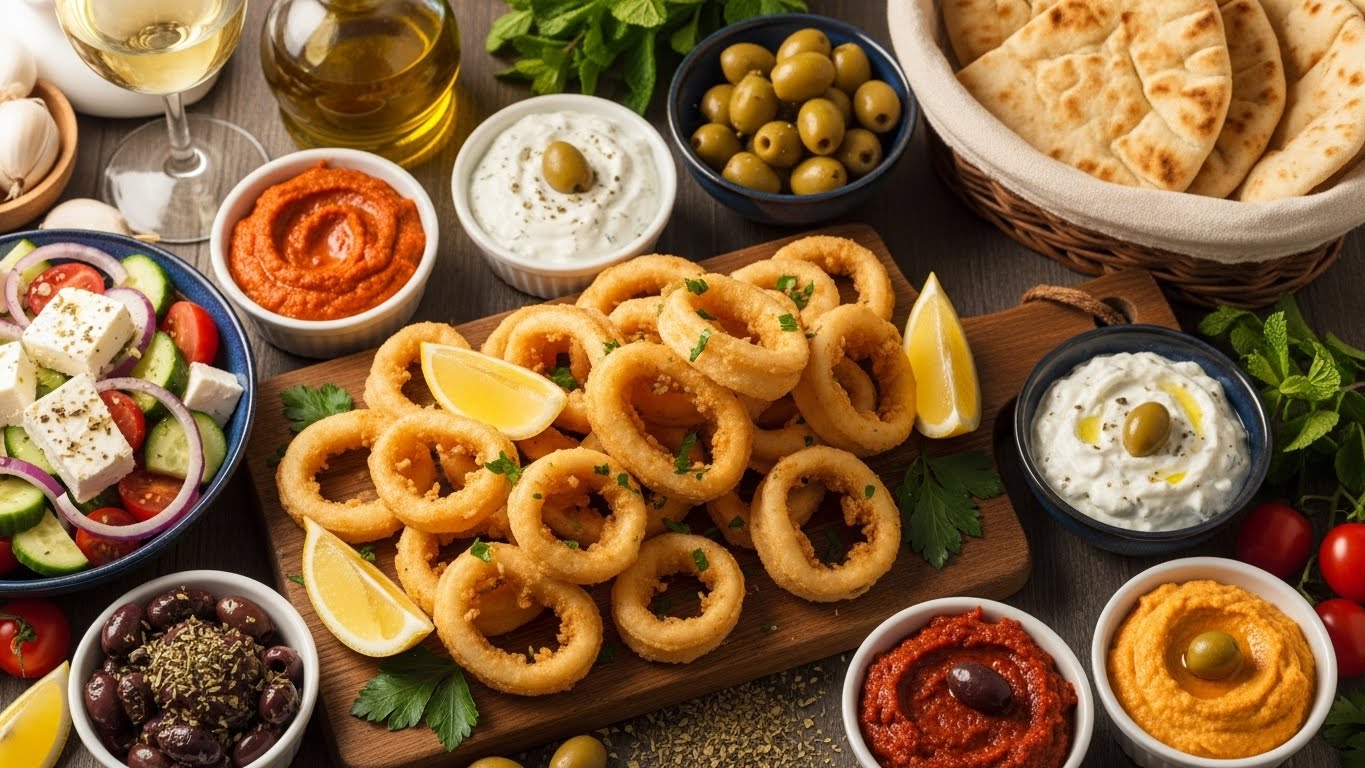
Calamariere is more than just a dish; it’s an invitation to savor the rich tapestry of Mediterranean flavors. This culinary gem has roots steeped in tradition and history, offering a taste experience that transports you straight to sun-kissed shores and bustling markets. With each bite, you’re not just enjoying food—you’re embarking on a flavorful journey through cultures that celebrate fresh ingredients and vibrant spices.
As we explore the origins of Calamariere, you’ll discover how these dishes have been shaped by centuries of culinary evolution. From coastal towns where seafood reigns supreme to quaint villages bursting with homegrown produce, every element plays a part in creating this delightful meal. Join us as we dive into the heart of Calamariere and uncover what makes it truly special!
The Influence of Mediterranean Cuisine on Calamariere
Mediterranean cuisine has a rich tapestry of flavors that beautifully influences Calamariere. The essence of this culinary tradition can be traced back to the sun-kissed landscapes surrounding the Mediterranean Sea, where fresh ingredients reign supreme.
Olive oil, herbs, and spices like oregano and basil are staples in both Mediterranean cooking and Calamariere dishes. This connection elevates the freshness and vibrancy found within each bite.
Seafood also plays a significant role. The proximity to coastal waters ensures that calamari is not just an ingredient but a beloved centerpiece in many meals. Its tender texture pairs harmoniously with various preparations, showcasing versatility.
Moreover, the emphasis on communal dining enhances the experience of enjoying Calamariere. Sharing plates filled with colorful ingredients fosters connection among diners while celebrating culture through food.
Traditional Ingredients Used in Calamariere Dishes
Calamariere is a celebration of fresh, vibrant ingredients. At its core, the dish often features squid as the star protein. Tender and flavorful, it brings a taste of the sea to every bite. Olive oil plays a crucial role in Mediterranean cooking, providing richness while enhancing other flavors. A drizzle of high-quality extra virgin olive oil elevates calamariere dishes significantly.
Herbs such as parsley and oregano lend aromatic freshness that cuts through the dish’s richness. They add not just flavor but also color to the presentation. Tomatoes are another staple ingredient found in many variations. Their natural sweetness balances beautifully with savory elements, creating a harmonious blend.
Don’t forget garlic! This beloved ingredient infuses depth and warmth into each serving. Together, these components create an unforgettable dining experience steeped in tradition.
Popular Regional Variations of Calamariere
Calamariere showcases a rich diversity across the Mediterranean. Each region adds its unique twist, making this dish even more captivating.
In Southern Italy, you’ll find calamariere infused with robust flavors of garlic and parsley. The addition of fresh tomatoes elevates the taste profile.
Moving to Greece, locals favor using lemon and oregano. This combination brings brightness that complements the tender squid beautifully.
Spain offers another take with spicy chorizo mixed in. This variation introduces a delightful kick that surprises your palate.
North African influences bring harissa into play. The fiery chili paste melds perfectly with Calamariere’s texture, creating an unforgettable experience.
Each regional adaptation tells a story through flavors and traditions passed down through generations. These variations highlight how versatile calamariere truly is while celebrating local ingredients and culinary techniques.
How to Make a Classic Calamariere Dish at Home
Creating a classic Calamariere dish at home is both simple and rewarding. Start with fresh squid, cleaned and sliced into rings. Marinate them in olive oil, lemon juice, garlic, and a sprinkle of oregano for about 30 minutes.
Next, prepare your batter using flour mixed with cornmeal for that perfect crunch. Dip each ring into the mixture until coated evenly.
Heat vegetable oil in a deep pan to around 350°F (175°C). Carefully add the battered calamari, frying them until golden brown—this usually takes about two to three minutes.
Once cooked, drain on paper towels to remove excess oil. Serve hot with a side of marinara sauce or aioli for dipping. A garnish of parsley adds an elegant touch while enhancing flavor. Enjoy the vibrant taste of this Mediterranean delight right from your kitchen!
Pairing Suggestions for the Perfect Dining Experience
Pairing Calamariere with the right beverages can elevate your dining experience.
For a classic touch, consider serving it with a crisp white wine. The acidity complements the flavors beautifully. A Sauvignon Blanc or a light Pinot Grigio works wonders.
If you prefer something bolder, opt for rosé. Its fruity notes bring out the dish’s richness without overpowering it.
On cooler evenings, a light-bodied red like Chianti could be an interesting choice. It adds warmth and depth to each bite of calamariere.
Don’t overlook non-alcoholic options either. Sparkling water infused with lemon zest refreshes the palate perfectly between bites.
Consider pairing fresh herbs or lemon wedges on the side as garnishes too. They not only enhance flavor but also add visual appeal to your meal.
Enjoy experimenting until you find that ideal combination that makes every bite memorable.
Exploring Other Mediterranean Delights
The Mediterranean region is a treasure trove of culinary wonders. Beyond Calamariere, dishes like Greek moussaka and Italian risotto beckon food lovers to explore their rich flavors.
Spicy Spanish paella dazzles with its vibrant colors and aromas. Each bite transports you to sun-kissed beaches along the Iberian coast.
Don’t overlook the fresh salads bursting with herbs and vegetables. From tabbouleh in Lebanon to panzanella in Italy, these refreshing combinations celebrate seasonal produce.
For dessert enthusiasts, baklava offers a sweet ending that’s hard to resist. Layers of flaky pastry filled with nuts and honey create an indulgent experience.
Cheeses like feta, halloumi, or pecorino add delightful complexity to many meals. Pair them with olives for a simple yet satisfying snack.
Every dish tells a story steeped in tradition and culture. The exploration continues as each bite reveals new flavors waiting to be savored.
Health Benefits of a Mediterranean Diet
The Mediterranean diet is renowned for its numerous health benefits. It emphasizes whole foods, vibrant vegetables, and healthy fats.
Rich in fruits, vegetables, and legumes, this diet provides essential vitamins and minerals. These nutrient-dense options support heart health and reduce inflammation.
Olive oil, a staple of Mediterranean cuisine, is packed with monounsaturated fats that promote good cholesterol levels. This can lead to a lower risk of cardiovascular diseases.
Fish plays a vital role too. Fatty fish like salmon are excellent sources of omega-3 fatty acids which contribute to brain health and cognitive function.
Moreover, the Mediterranean lifestyle encourages physical activity and social connections during meals. Together, these elements foster not just physical well-being but also emotional satisfaction.
Adopting this eating style may provide long-term protection against chronic illnesses while enhancing overall quality of life.
Conclusion
Calamariere is more than just a dish; it’s a celebration of flavors and traditions passed down through generations. This Mediterranean treasure transports you to sun-soaked shores, where each bite tells a story. The rich tapestry of ingredients reflects the diverse cultures that inhabit this vibrant region.
As you’ve journeyed through the essence of Calamariere, from its origins to popular variations and cooking tips, it’s clear that this dish holds an important place in culinary hearts worldwide. Embracing the health benefits of a Mediterranean diet further enhances its appeal.
Whether you’re savoring a classic Calamariere at your local restaurant or attempting to recreate it at home, you’re engaging with something much larger than food. It’s culture, history, and togetherness—all on one plate.