





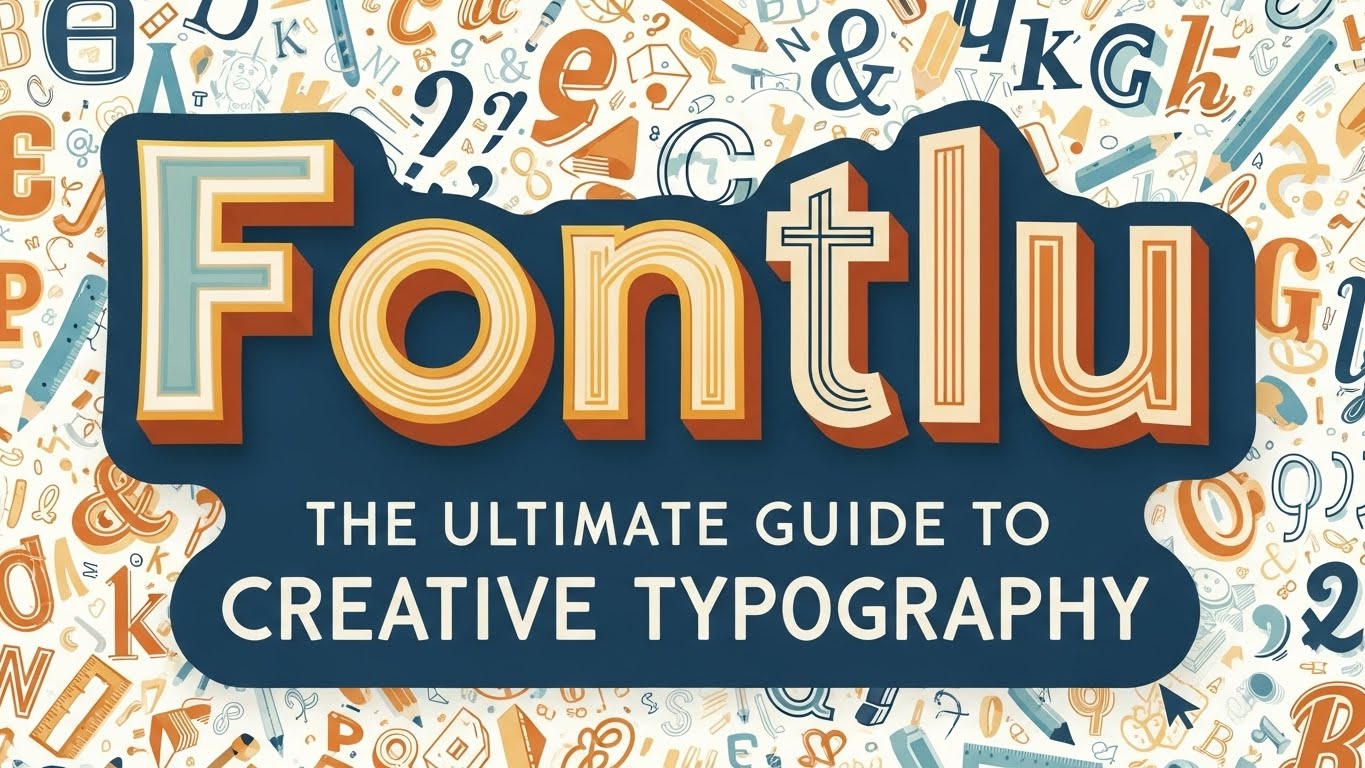
Fontlu: The Ultimate Guide to Creative Typography
Typography is more than just letters on a page; it’s an art form that speaks volumes. The right typeface can set the mood, convey emotions, and even tell a story without Fontlu uttering a single word. Whether you’re designing for print or digital media, mastering typography is essential to making your work stand out.
Enter Fontlu: your ultimate guide to navigating the world of creative typography. This blog will take you through the fascinating history of fonts, explore various types, and offer practical tips for choosing the perfect font for any project. With creative techniques at your disposal and resources ready to be discovered, you’ll learn how to elevate your design game in no time.
Ready to unlock the potential of typography? Let’s dive into this enchanting realm where creativity meets communication!
The History and Evolution of Fonts
Fonts have a rich history that dates back thousands of years. The journey began with the earliest forms of writing, where symbols were carved into stone tablets. As civilizations advanced, so did their methods of communication.
The invention of the printing press in the 15th century Fontlu revolutionized typography. Johannes Gutenberg’s movable type allowed for mass production and distribution of written works. This innovation gave rise to varied font styles, each reflecting cultural shifts.
By the 19th century, decorative fonts flourished alongside industrialization. Designers experimented with bold serifs and ornate scripts to catch readers’ eyes. Fast forward to today, digital technology has further transformed typography.
Now we have access to an endless array of fonts at our fingertips. From classic serif types to minimalist sans-serifs and playful display options—each serves a unique purpose in modern design.
Types of Fonts: Serif, Sans-Serif, Script, Display, and more
Fonts come in various styles, each serving a unique purpose.
Serif fonts feature small lines or embellishments at the ends of their letters. They convey tradition and reliability, making them popular for printed materials.
In contrast, sans-serif fonts lack these adornments. Their clean and modern look is excellent for digital screens where readability is key.
Script fonts mimic handwritten text. They add a personal touch to designs but should be used sparingly to avoid legibility issues.
Display fonts are bold and attention-grabbing. They’re perfect for headlines or logos that need to stand out from the crowd.
There are also decorative fonts that push creative boundaries. These can transform ordinary projects into extraordinary visual experiences when used thoughtfully.
Understanding these types helps you choose wisely based on your project’s mood and message. Each font type has its own personality waiting to be explored.
Choosing the Right Font for Your Project
Selecting the right font is a crucial step in any design project. Fonts convey emotions, set tones, and can either enhance or detract from your message.
Start by considering your target audience. The choice of typeface can significantly influence how they perceive your content. A playful script might appeal to children, while a clean sans-serif could resonate with professionals.
Think about the medium as well. Digital platforms often require fonts that are legible at various sizes. Print designs might benefit from more elaborate styles that stand out on paper.
Don’t forget about brand consistency. Your font should align with your overall visual identity—this creates a cohesive experience for users across all touchpoints.
Experimentation is key too! Test different types until you find one that feels just right for what you’re trying to communicate.
Creative Typography Techniques
Creative typography techniques breathe life into text. They transform ordinary letters into visual statements that capture attention.
One powerful method is layering. By stacking different typefaces or colors, you create depth and intrigue. This technique can enhance a design’s overall aesthetic while maintaining clarity.
Another approach involves playing with scale. Varying the size of fonts within a single design can guide viewers’ focus, emphasizing key messages without overwhelming them.
Whitespace is equally crucial in creative typography. It acts as Fontlu breathing room for your text, allowing each element to stand out distinctly.
Experimenting with alignment offers another avenue for creativity. Off-centered layouts can evoke modernity and dynamism, breaking away from traditional symmetrical designs.
Custom lettering stands out like no other technique. Handcrafted fonts convey uniqueness and personality that resonates with audiences on a deeper level.
Tips for Pairing Fonts Perfectly
Pairing fonts can be an art in itself. The right combination elevates your design and grabs attention.
Start with contrast. Pair a bold font with something lighter to create visual interest. A strong headline draws the eye, while softer text allows for easy reading.
Stick to two or three typefaces. Too many options can cause chaos and dilute your message. Choose one primary font for headings and another for body text.
Consider mood and context. For instance, a playful script might suit a children’s brand but feel out of place in corporate communications.
Watch proportions closely; balance is key. Use size variations effectively—larger titles against smaller paragraphs ensure harmony across the layout.
Always test your combinations in real scenarios, like mockups or Fontlu prototypes, ensuring they resonate well together before finalizing your selection.
Resources for Finding Unique and Creative Fonts
Finding unique and creative fonts can transform your design projects. Fortunately, there are numerous resources at your fingertips.
Websites like Google Fonts offer a vast collection of free typefaces for personal and commercial use. Their easy-to-use interface allows you to preview how different fonts look in real-time.
For those seeking premium options, platforms such as Adobe Fonts provide an extensive library that integrates seamlessly with Creative Cloud applications. You’ll discover high-quality typography here that elevates any project.
Don’t overlook niche font foundries like Fontspring or MyFonts. They showcase exceptional work from independent designers who push typographic boundaries.
Explore community-driven sites like Behance and Dribbble. Many talented artists share their custom creations, allowing you to connect directly with creators while finding one-of-a-kind designs.
Common Mistakes to Avoid in Typography Design
Typography can make or break your design. One common mistake is using too many fonts in a single project. Stick to two or three fonts for a cleaner look.
Another pitfall is ignoring font hierarchy. Treat headings, subheadings, and body text differently. This helps guide the reader’s eye through your content smoothly.
Don’t forget about spacing! Poor line height or letter spacing can lead to awkward readability. Give your text room to breathe.
Also, be wary of overly decorative fonts. While they may look appealing at first glance, they can hinder legibility when overused.
Always consider contrast between text and background colors. Insufficient Fontlu contrast makes reading difficult and could frustrate your audience. Make sure that every design choice enhances clarity rather than detracts from it.
Utilizing Typography in Advertising and Branding
Typography plays a crucial role in advertising and branding. It communicates your brand’s personality and values at first glance. A well-chosen font can evoke emotions, set the tone, and create immediacy.
For instance, bold typefaces convey strength and confidence, while script fonts suggest elegance or creativity. It’s essential to align your typography with the message you want to send.
Consider consistency across all platforms—online ads, social media posts, packaging design. This reinforces brand recognition.
Pairing fonts wisely can also enhance visual appeal without overwhelming the viewer. Use contrasting styles for headlines versus body text to guide attention effectively.
Remember that readability is key; if customers struggle to read your message, they’re likely to disengage quickly. Thoughtfully designed typography not only captures interest but also retains it over time.
Conclusion
Typography is more than just arranging letters on a page. It’s an art form that has evolved over centuries, shaping how we communicate visually. Understanding Fontlu the history and types of fonts can enhance your creative projects significantly. The right font choice can elevate your message and engage your audience effectively.
There are countless techniques to explore when diving into creative typography. Whether you’re pairing fonts or experimenting with unique styles, the possibilities are endless. Remember to avoid common pitfalls in design that can detract from your intended message.
In advertising and branding, typography plays a pivotal role in creating memorable impressions. As you harness these insights about Fontlu and its vast world of typography, take time to refine your skills and discover new resources for inspiration.
Embrace this journey through typefaces as both an artist and a communicator ready to leave a lasting impact with every letter crafted.