






Nahttypen: A Comprehensive Guide to Stitch Types in Sewing
Sewing is an art that combines creativity with precision. Whether you’re a novice looking to make your first garment or an experienced seamstress tackling complex nahttypen projects, understanding the various Nahttypen—or stitch types—is essential for achieving professional results. Each stitch serves a specific purpose and brings its own flair to your creations.
From basic stitches that provide sturdy seams to decorative options that add personality, knowing when and how to use different stitches can elevate your sewing game. This guide will walk you through the most common types of stitches used in sewing, helping you choose the right one for every project. Get ready to dive into a world of fabric and thread where each stitch tells a story!
Basic Stitches for Beginners
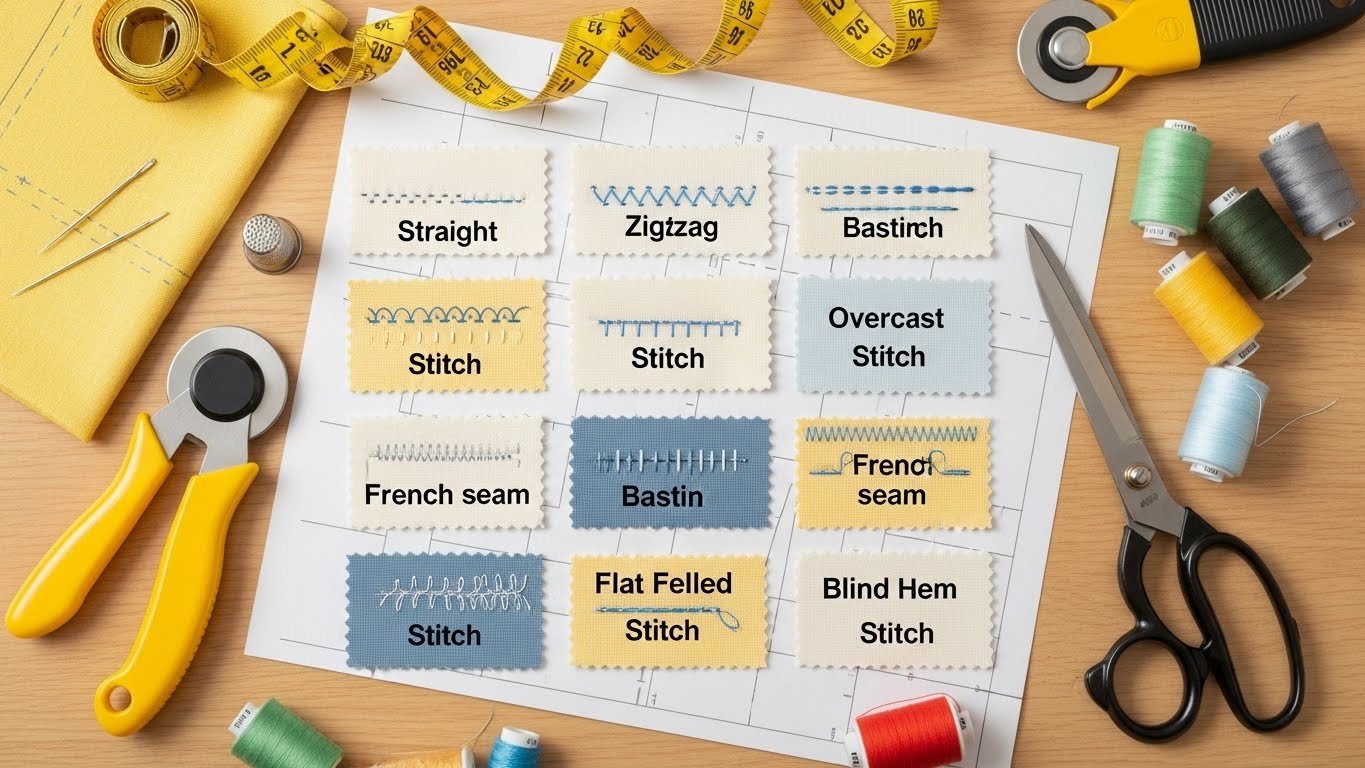
Basic stitches are the foundation of sewing. They provide essential skills for beginners to master their craft. The straight stitch is the most commonly used. It’s perfect for seams and nahttypen hems, offering a clean finish. Learning this stitch sets you up for various projects. Next is the zigzag stitch. This versatile option allows for stretch and prevents fabric from fraying. It’s particularly useful when working with knits or delicate fabrics.
Don’t overlook the backstitch either! It adds strength to your seams by reinforcing them, making it ideal for areas that experience stress. Practice makes perfect. Experimenting with these basic stitches helps build confidence while expanding your skill set in sewing projects. Each stitch serves a purpose, paving the way toward more complex techniques later on.
Decorative Stitches for Embellishments
Decorative stitches add flair and personality to any sewing project. These stitches transform ordinary fabric into extraordinary pieces. From intricate floral patterns to playful waves, the possibilities are endless. Using a decorative stitch can enhance hems, borders, or even simple straight seams. They create visual interest without requiring extensive embroidery skills.
Choosing contrasting thread colors can make your designs pop. Alternatively, matching threads lend a subtle elegance that complements the fabric’s texture. Additionally, many modern sewing machines come equipped with built-in decorative stitch options. This user-friendly feature invites creativity without overwhelming beginners.
Experimenting with different stitch lengths and widths further personalizes your creations. Play around with various fabrics too; some textures respond beautifully to certain types of stitching. Decorative stitches provide an exciting avenue for self-expression in sewing projects while elevating their overall appeal significantly.
Stretch Stitches for Elastic Fabrics
Stretch stitches are essential when working with elastic fabrics. These stitches allow the material to retain its flexibility while providing durability. Commonly used in activewear and swimwear, stretch stitches accommodate movement without compromising seam integrity. They help prevent fabric from tearing or puckering, ensuring a smooth finish.
The most popular types of stretch stitches include zigzag and lightning stitch. Zigzag offers a classic option, creating a reliable bond that stretches effortlessly. The lightning stitch mimics the look of a straight stitch but provides elasticity for dynamic projects. When sewing knit fabrics or spandex blends, these stitches will become your best friend. They cater to various fabric weights and designs while maintaining comfort in wearables.
Experimenting with different stretch settings on your machine can yield impressive results too! Understanding how each type works empowers you to tackle diverse sewing challenges confidently.
Specialty Stitches for Specific Projects
Specialty stitches are designed for unique projects that require a touch of finesse. They go beyond the standard options, allowing you to tackle specific sewing challenges with ease.
For instance, the blind hem stitch is perfect for nahttypen hemming garments without visible stitching on the outside. It offers a clean finish that’s ideal for formal wear or home décor projects.
Another valuable option is the buttonhole stitch. This technique creates sturdy and polished openings in fabric, ensuring buttons stay secure while enhancing your garment’s overall look.
If you’re working with appliqué designs, consider using a zigzag or satin stitch to outline shapes neatly. These techniques not only provide durability but also add decorative flair to your creations.
Embrace specialty stitches as they can elevate your crafting game. With these tools at your disposal, you’ll be ready to tackle more complex sewing tasks confidently.
How to Choose the Right Stitch Type
Choosing the right stitch type can feel overwhelming. The fabric and project play significant roles in your decision-making.
Start by considering the material you’re working with. Lightweight fabrics need delicate stitches, while heavy materials require sturdier options. For example, cotton may work well with a straight stitch, but denim will benefit from a zigzag or topstitch for durability.
Think about the function of your project too. If it’s meant to stretch—like activewear—a stretch stitch is essential to maintain elasticity without breaking threads.
Don’t forget aesthetics; decorative stitches can elevate basic projects into unique pieces that reflect your style. Test out different stitches on scrap fabric before committing to ensure they meet both functional and visual expectations.
Trust your instincts as you experiment with various types of nahttypen until you find what feels just right for each sewing adventure!
Tips and Tricks for Perfecting Your Stitches
Perfecting your stitches is an art that combines patience and practice. Start by threading your needle correctly. A well-threaded needle can make all the difference in achieving even tension.
Always use the right presser foot for the stitch type you’re using. This simple adjustment helps maintain uniformity, especially with decorative or specialty stitches.
Practice makes perfect, so consider creating a sample nahttypen swatch before diving into your project. This allows you to troubleshoot any issues without risking your main fabric.
Keep your sewing machine clean and oiled regularly. Dust and lint can affect stitch quality significantly, leading to frustration during sewing sessions.
Don’t hesitate to experiment with different thread types and fabrics. Each combination behaves uniquely, giving you a better understanding of how various materials interact with each stitch style. Enjoy exploring this creative journey!
Conclusion
Understanding the different Nahttypen is essential for anyone looking to improve their sewing skills. Each stitch type serves a unique purpose, whether you’re creating basic seams or adding decorative elements to your projects. By mastering these techniques, you can enhance both the structure and aesthetics of your work.
Choosing the right stitch depends on various factors including fabric type, project requirements, and personal preferences. With practice and experimentation, you’ll find what works best for you. Remember that perfecting your stitching takes time and patience. Don’t hesitate to revisit this guide as you explore new projects. Happy sewing!